Filler masterbatch plays a pivotal role in modern injection molding processes, offering a perfect balance between performance optimization and cost efficiency. By incorporating high-quality mineral fillers such as calcium carbonate (CaCO₃) into polymer matrices (PP, PE, ABS, etc.), manufacturers can significantly enhance both processing behavior and final product performance.
Key Benefits for Customers
Outstanding Features & Performance Advantages
Critical Roles in Injection Molding Applications
Key Benefits for Customers
1.Cost Optimization Without Compromising Quality Filler masterbatch enables manufacturers to partially replace expensive virgin resin with cost-effective mineral fillers, leading to substantial material cost savings while maintaining required mechanical properties. 2.Improved Processing Efficiency The presence of fillers enhances heat transfer during molding, allowing faster cooling cycles, reduced cycle time, and increased production output. 3.Enhanced Dimensional Stability Injection molded parts exhibit reduced shrinkage and warpage, ensuring tighter tolerances and better consistency—especially critical for precision components. 4.Surface Quality Control Filler masterbatch can improve surface finish, reduce sink marks, and create a more uniform appearance in finished products.
Outstanding Features & Performance Advantages
1.Excellent Dispersion High-quality filler masterbatch ensures uniform dispersion of CaCO₃ within the polymer matrix, preventing defects such as streaking, agglomeration, or weak points. 2.Optimized Flowability Improved melt flow characteristics facilitate easier mold filling, especially for complex geometries or thin-wall products. 3.Mechanical Property Enhancement Depending on formulation, filler masterbatch can improve stiffness, hardness, and impact resistance, making products more durable and structurally reliable. 4.Thermal Stability The addition of fillers contributes to better thermal conductivity, helping stabilize the molding process and reduce deformation risks. 5.Customizable Formulation Tailored solutions can be developed based on specific applications—whether prioritizing cost reduction, rigidity, or surface aesthetics.
Critical Roles in Injection Molding Applications
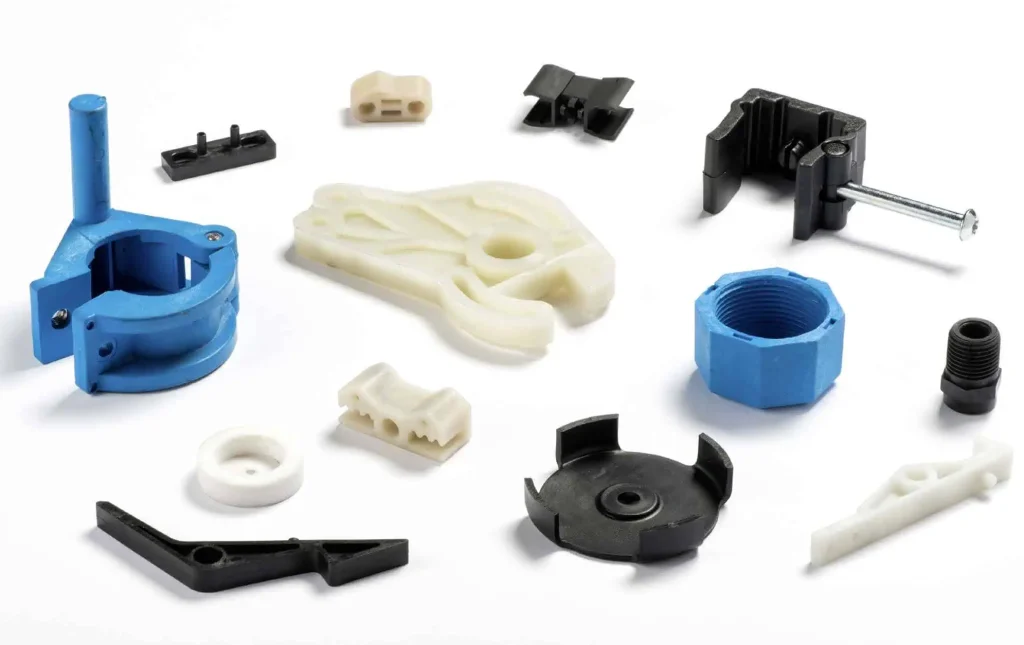
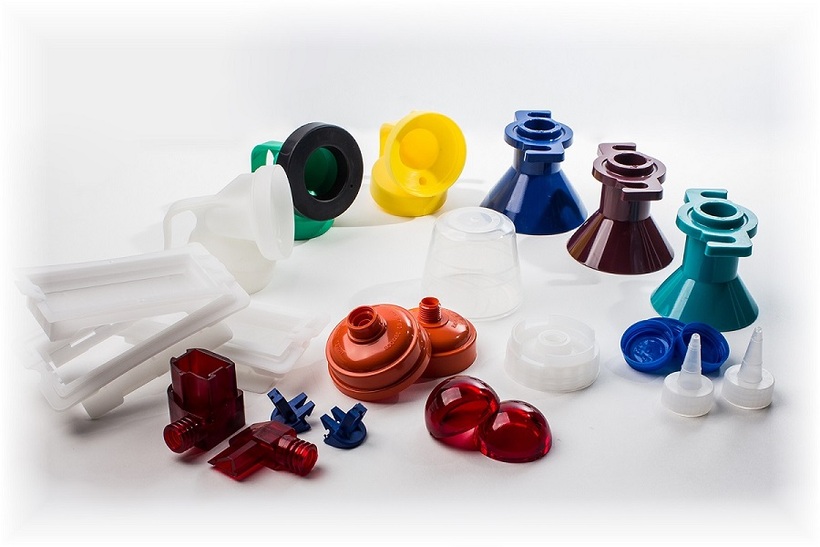
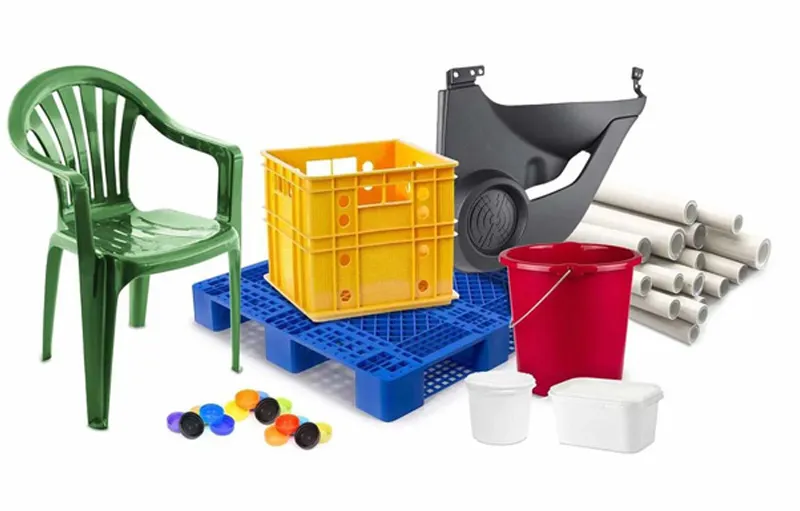
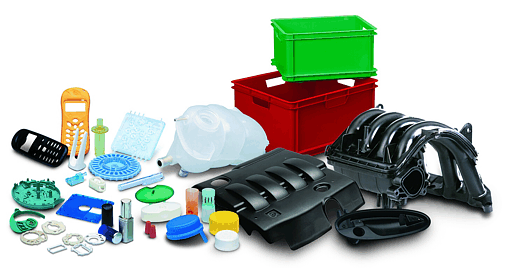
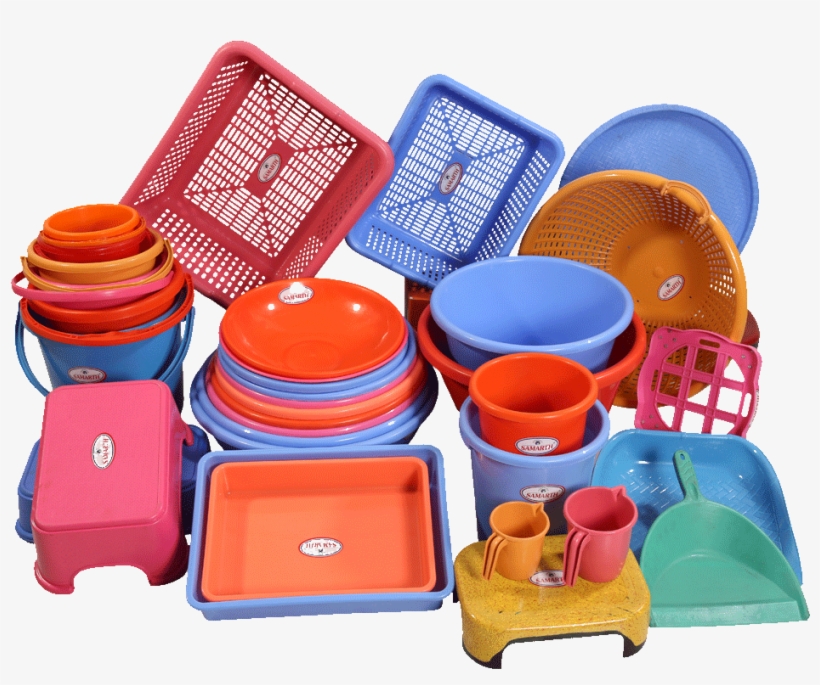
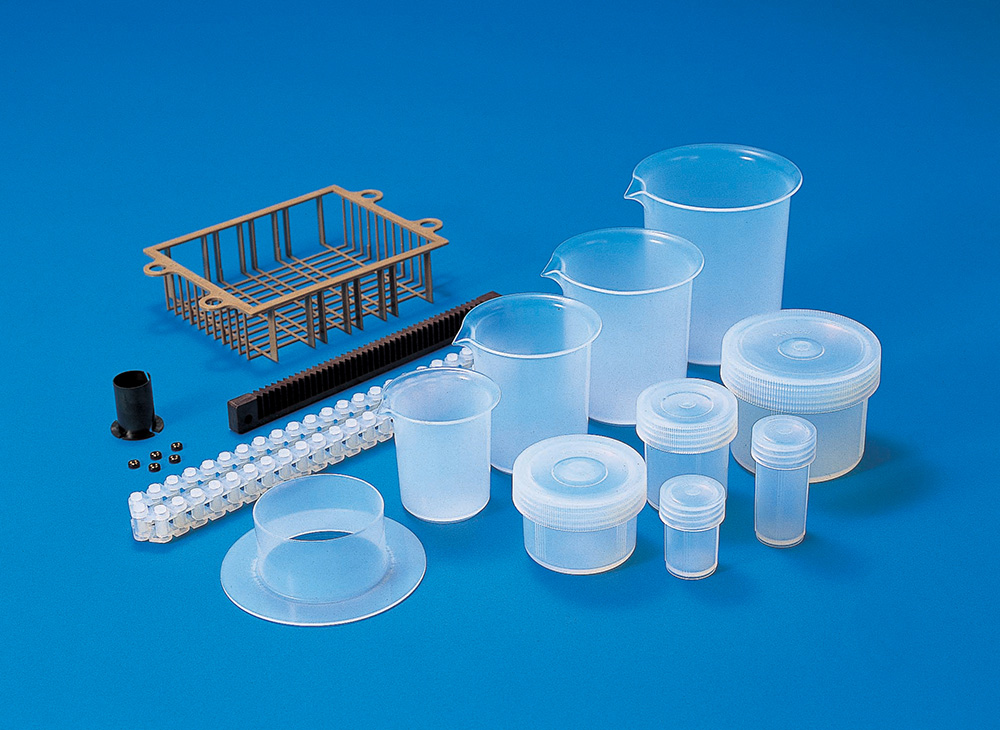
1.Material Engineering Tool Filler masterbatch acts as a functional modifier, allowing manufacturers to fine-tune the physical and mechanical properties of plastic products according to end-use requirements. 2.Production Efficiency Driver By shortening cycle times and improving mold release behavior, it directly contributes to higher productivity and lower manufacturing costs. 3.Quality Enhancement AgentEnsures consistent product quality across large production volumes, minimizing defects and reducing rejection rates. 4.Sustainability Contributor Reducing reliance on virgin resin not only lowers costs but also supports more sustainable production practices by optimizing material usage. 5.Typical Injection Molding Applications – Household appliances and containers – Automotive components – Industrial parts and casings – Furniture and plastic fittings – Packaging closures and caps
Common applications of Injection Molding
Conclusion: Filler masterbatch is not just a cost-saving additive—it is a strategic solution that enhances performance, improves processing efficiency, and delivers consistent product quality. For injection molding manufacturers aiming to stay competitive in a demanding global market, integrating high-quality filler masterbatch is a smart and essential choice.