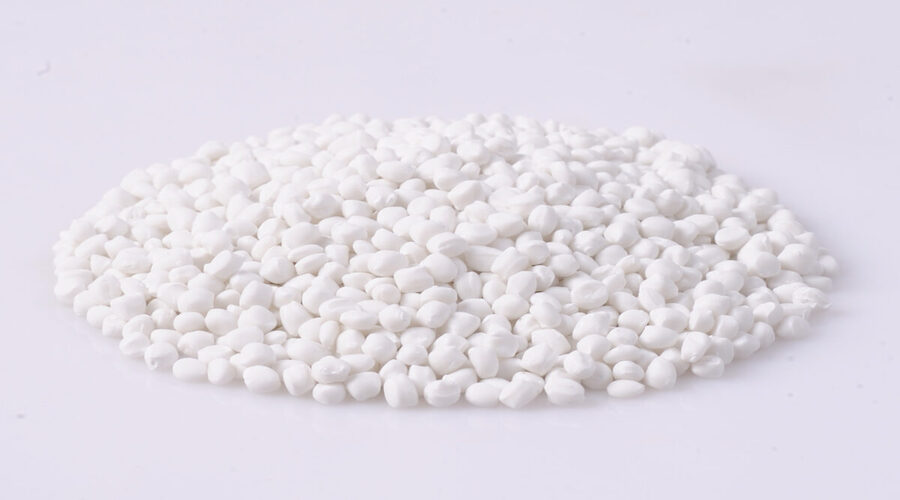
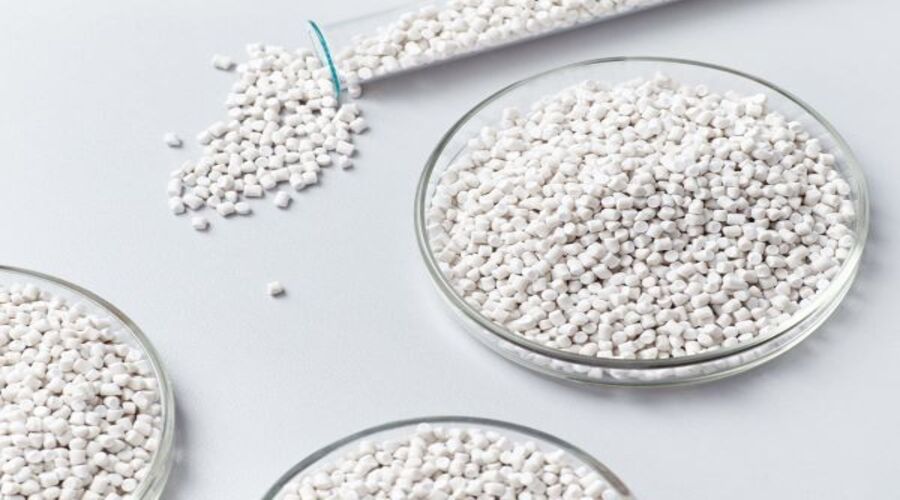
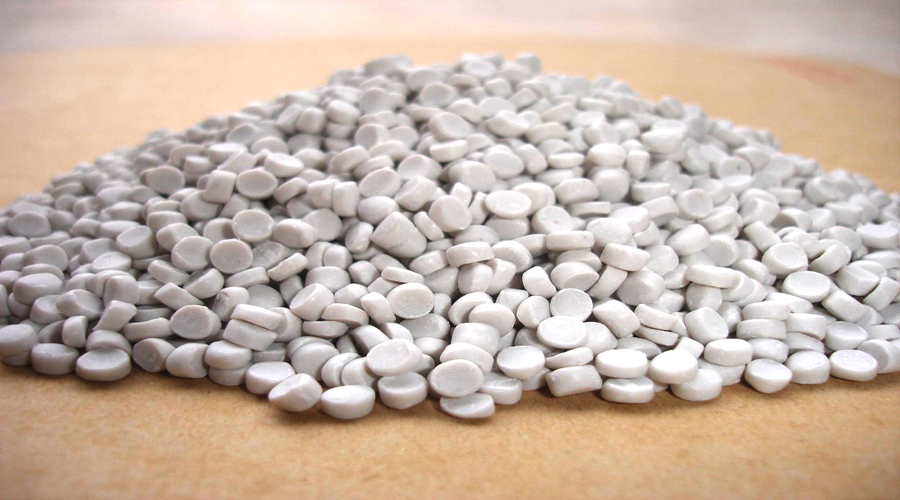
Filler masterbatch is a compound material produced by combining high-quality calcium carbonate (CaCO₃) with a polymer carrier resin (such as PP, PE, or PVC) and functional additives, then processed through advanced twin-screw extrusion technology to form uniform granules. It is widely used in the plastics industry as a cost-effective and performance-enhancing solution, allowing manufacturers to optimize production efficiency while maintaining consistent product quality.
Role of Filler Masterbatch in Plastic Manufacturing
Filler masterbatch plays a crucial role as a multi-functional additive in plastic production:
• Acts as a partial substitute for virgin resin, reducing overall raw material costs
• Improves process stability during extrusion, injection, or molding
• Enhances the physical and mechanical performance of finished plastic products
• Supports large-scale, consistent production with better control over quality
In essence, it enables manufacturers to produce more efficiently at lower cost without compromising performance.
Key Functions and Benefits
Cost Reduction
Improved Mechanical Properties
Enhanced Surface and Appearance
Better Processing Performance
Cost Reduction
• Calcium carbonate is significantly more economical than virgin polymer • Enables substantial cost savings in production • Typical loading levels range from 10% to 85%, depending on application
Improved Mechanical Properties
• Increases stiffness and rigidity • Enhances dimensional stability • Reduces shrinkage and deformation • Maintains balanced strength when properly formulated
Enhanced Surface and Appearance
• Improves whiteness and opacity • Provides a smooth and uniform surface finish • Enhances printability for packaging applications
Better Processing Performance
• Improves heat conductivity, enabling faster cooling • Enhances dispersion and flowability • Allows higher output rates and machine efficiency • Reduces downtime and production defects
Applications
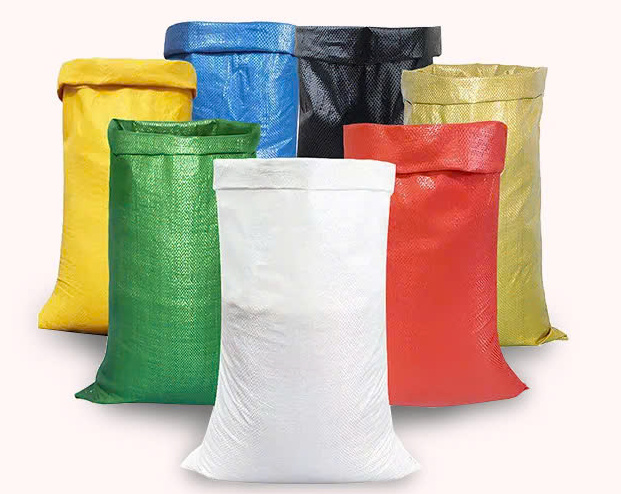
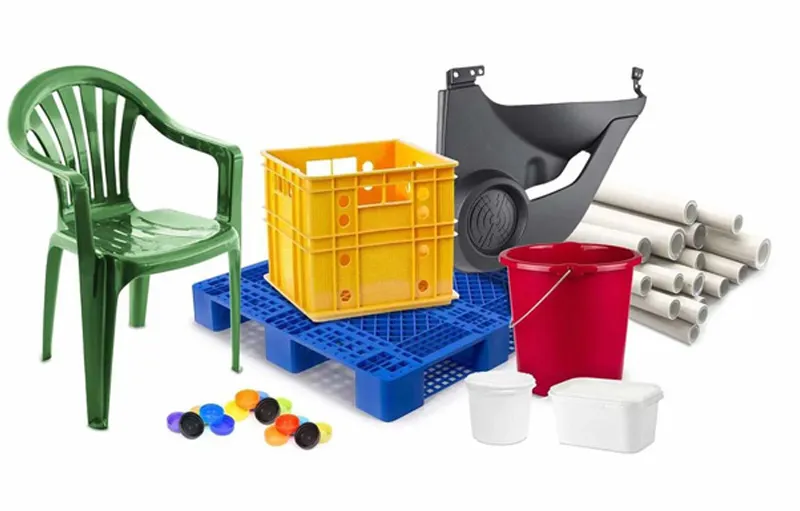
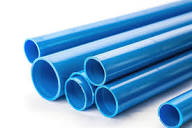
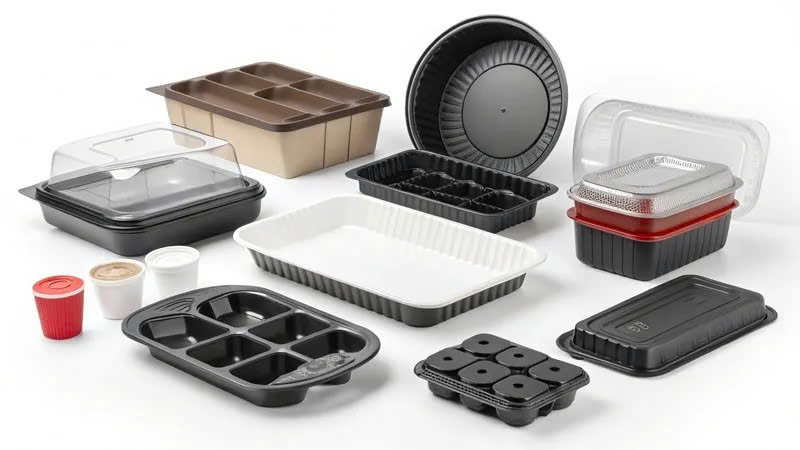
Filler masterbatch is widely applied across various plastic processing technologies:
• Blown film (shopping bags, garbage bags, agricultural films)
Conclusion: Filler masterbatch is a high-performance and cost-efficient solution that combines calcium carbonate, polymer resin, and advanced additives to optimize plastic production. It not only reduces material costs but also enhances mechanical strength, surface quality, and processing efficiency, making it an essential component for modern plastic manufacturing.