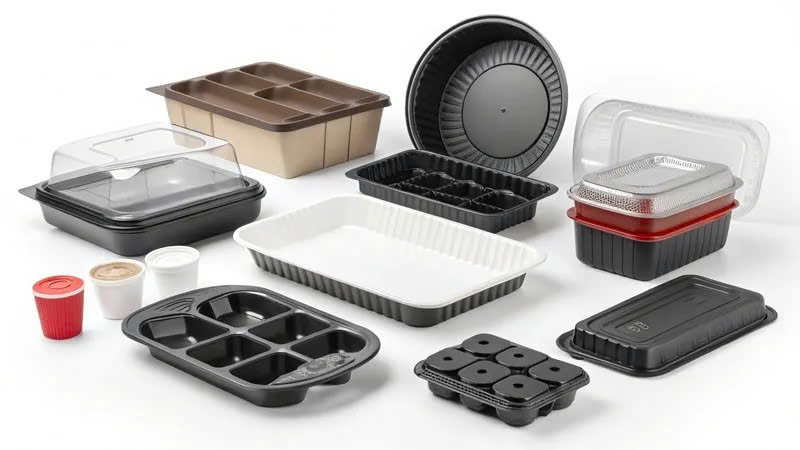
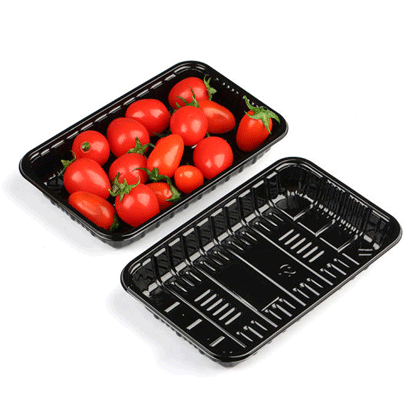
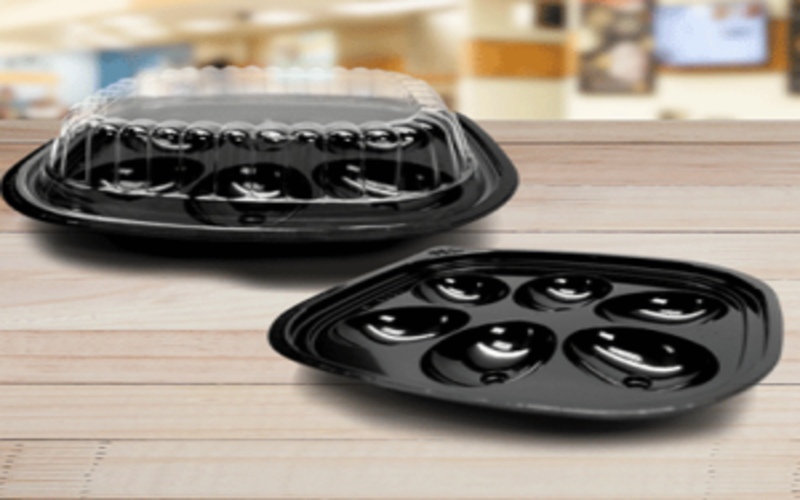
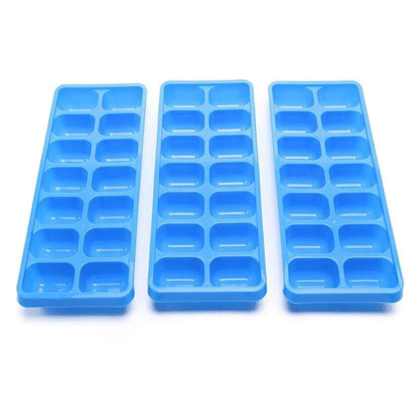
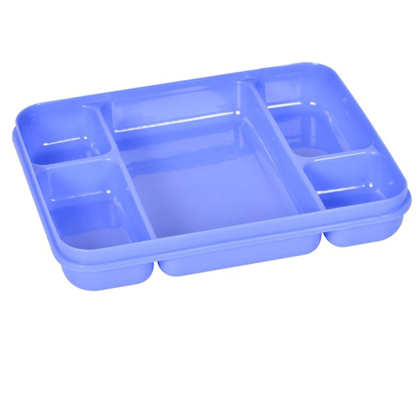
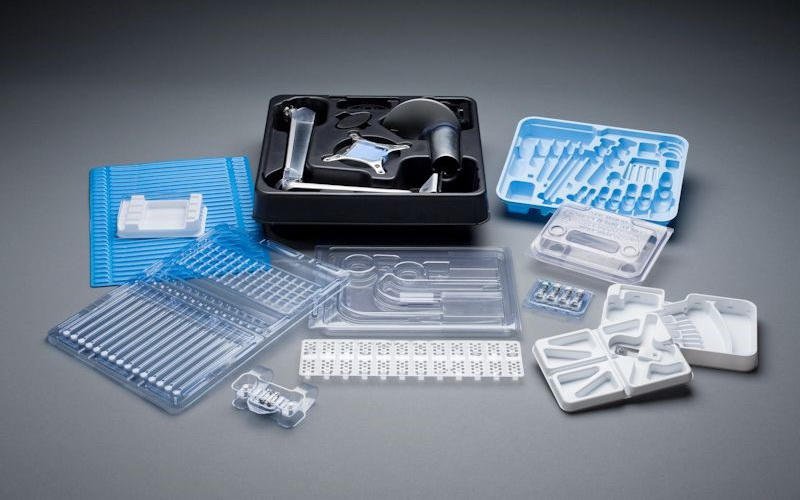
In the thermoforming industry, filler masterbatch has become an essential material solution, enabling manufacturers to optimize production efficiency while enhancing the performance and cost-effectiveness of finished products. Specially engineered with high-quality mineral fillers such as calcium carbonate (CaCO₃) dispersed in a polymer carrier (PP, PS, PET, or PLA), filler masterbatch is widely used in sheet extrusion and subsequent thermoforming processes
Key Benefits for Customers
Superior Features & Technical Advantages
Critical Roles in Thermoforming Process
Main Thermoformed Product Applications
Key Benefits for Customers
Filler masterbatch delivers outstanding commercial and technical advantages: 1.Cost Reduction By partially replacing virgin polymer, filler masterbatch significantly lowers raw material costs without compromising product quality. 2.Improved Process Efficiency Enhanced thermal conductivity helps reduce heating and cooling cycle times, leading to faster production and higher output. 3.Excellent Formability Provides better sheet stiffness and uniform thickness distribution, ensuring stable and consistent thermoforming performance. 4.Weight Optimization Enables downgauging (thinner sheets) while maintaining mechanical strength, reducing material consumption per unit. 5.Sustainability Advantage Reduces plastic usage and carbon footprint, contributing to eco-friendly manufacturing goals.
Superior Features & Technical Advantages
Filler masterbatch is designed to meet the demanding requirements of thermoforming: 1.High Dispersion Quality Uniform filler distribution ensures smooth surface finish and avoids defects such as pinholes or uneven thickness. 2.Enhanced Rigidity & Stiffness Improves structural strength of thermoformed products, especially for trays, cups, and containers. 3.Controlled Density & Opacity Offers excellent whiteness and opacity, making it ideal for food packaging and disposable items. 4.Thermal Stability Maintains performance consistency during high-temperature sheet extrusion and forming processes. 5.Anti-Shrinkage & Dimensional Stability Reduces warpage and shrinkage after forming, ensuring precise product dimensions.
Critical Roles in Thermoforming Process
Filler masterbatch plays multiple vital roles throughout production: 1.Processing Aid Improves melt flow behavior and sheet extrusion stability. 2.Mechanical Enhancer Reinforces the final product’s rigidity and load-bearing capacity. 3.Cost Optimizer Acts as a strategic material to balance performance and pricing. 4.Quality Stabilizer Ensures consistent product appearance and performance across large production volumes.
Conclusion: Filler masterbatch is not just a cost-saving additive—it is a performance-enhancing solution that empowers thermoforming manufacturers to achieve higher productivity, superior product quality, and sustainable production. Its versatility and efficiency make it an indispensable material in modern thermoforming applications, helping businesses stay competitive in global markets.