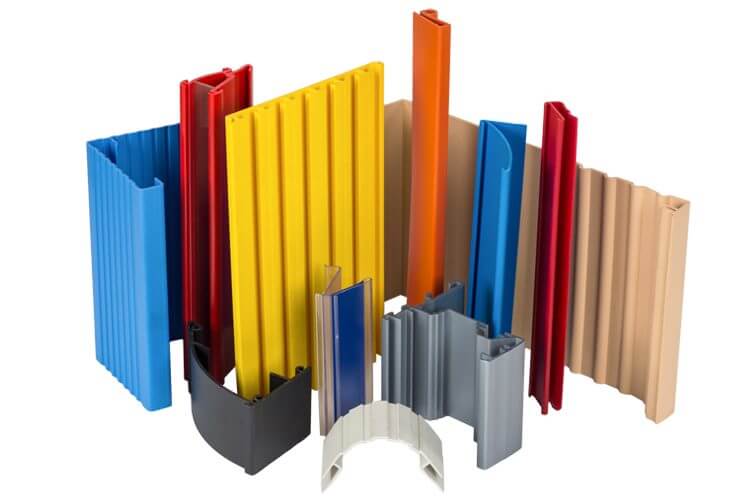
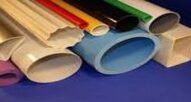
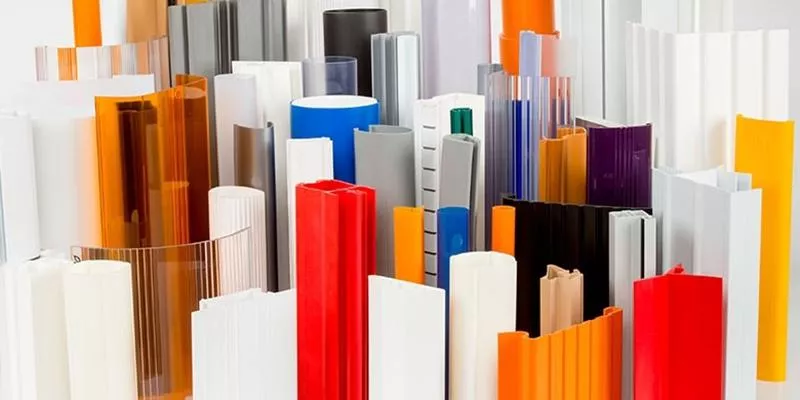
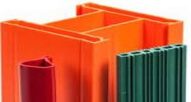
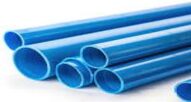
Filler masterbatch plays a pivotal role in modern plastic extrusion processes, offering an optimal balance between performance enhancement and cost efficiency. Widely used across various extrusion technologies—such as blown film, cast film, sheet extrusion, pipe, profile, raffia, and compounding—filler masterbatch has become an indispensable material solution for manufacturers seeking both quality and competitiveness
Key Benefits for Customers
Outstanding Features
Critical Roles in Extrusion Processing
Main Applications in Injection Molding Products
Key Benefits for Customers
Filler masterbatch delivers significant economic and technical advantages: 1.Cost Reduction By partially replacing expensive virgin polymers, filler masterbatch substantially lowers raw material costs without compromising product integrity. 2.Improved Processing Efficiency Enhanced melt flow behavior allows smoother extrusion, higher output rates, and reduced energy consumption during production. 3.Enhanced Product Performance It improves stiffness, dimensional stability, and surface finish, enabling manufacturers to meet stringent product specifications. 4.Optimized Production Stability Consistent dispersion of calcium carbonate ensures stable processing, minimizing machine downtime and defects.
Outstanding Features
What makes filler masterbatch stand out in extrusion applications: 1.High Loading Capacity Advanced formulations allow high filler content while maintaining excellent mechanical properties. 2.Superior Dispersion Fine, uniform dispersion ensures smooth surfaces and consistent quality across finished products. 3.Customizable Formulations Compatible with various resin bases such as PE, PP, and others, tailored to specific extrusion requirements. 4.Excellent Compatibility Designed to blend seamlessly with virgin and recycled polymers, ensuring flexibility in material selection. 5.Controlled Rheology Helps regulate viscosity, improving extrusion stability and product uniformity.
Critical Roles in Extrusion Processing
Filler masterbatch serves multiple essential functions in extrusion: 1.Functional Enhancer Improves mechanical properties like rigidity, hardness, and impact resistance (depending on formulation). 2.Process Aid Facilitates smoother flow, reduces die build-up, and enhances machine efficiency. 3.Cost Optimizer Acts as a strategic material to balance cost and performance in competitive markets. 4.Quality Stabilizer Ensures consistent product thickness, density, and appearance.
Main Applications in Injection Molding Products
Filler Masterbatch is widely used across a broad range of injection-molded products, including: 1.Household Products Buckets, basins, containers, storage boxes, kitchenware 2.Furniture Components Plastic chairs, tables, cabinets, and structural parts 3.Automotive Parts Interior trims, panels, housings, and non-critical components 4.Electrical & Electronic Components Casings, connectors, switch boxes, and insulation parts 5.Packaging Solutions Caps, closures, crates, pallets, and rigid packaging items 6.Industrial Products Tool housings, construction fittings, and technical molded parts
Common applications of Extrusion Applications
Conclusion: Filler masterbatch is more than just a cost-saving additive—it is a strategic solution that enhances productivity, improves product performance, and ensures manufacturing consistency. Its versatility across extrusion applications makes it a key material for manufacturers aiming to achieve both economic efficiency and superior product quality in today’s competitive global market.